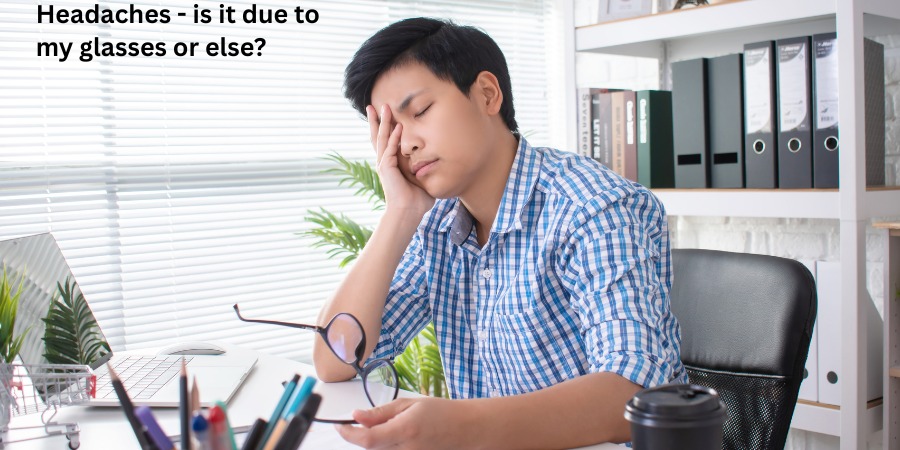

why Do I get Headache while reading?
Why Do I Get Headache While Reading?
Understanding the Hidden Eye Strain Behind Your Discomfort
Do you get headaches while reading? Learn the causes like eye strain, vision problems, and screen use—and discover simple ways to prevent it.
Reading should be comfortable and enjoyable. However, many people experience headaches, eye strain, or fatigue while reading books or digital screens. If this happens to you, it is not normal. It is a sign that your eyes are under stress and need attention.
Causes
One of the most common causes of headache while reading is uncorrected vision problems. Refractive errors such as Myopia, Hyperopia, and Astigmatism make it difficult for the eyes to focus clearly. As a result, the eyes work harder than normal, leading to strain and eventually causing headaches.
Another major factor is digital eye strain. Reading on screens such as phones, tablets, or laptops puts extra pressure on the eyes. When using screens, people tend to blink less frequently, which leads to dryness and irritation. Continuous focusing effort on digital text also contributes to discomfort. This condition is commonly referred to as computer vision syndrome.
Accommodation stress is another important reason. The eyes have to constantly adjust focus while reading, especially at a close distance. When this continues for a long time without breaks, the eye muscles become fatigued. This often results in a dull headache, particularly in the forehead region.
Lighting conditions also play a crucial role. Reading in dim light forces the eyes to strain more to see clearly, while excessively bright light creates glare and discomfort. Both situations increase visual stress and can trigger headaches.
Improper reading distance and posture can further worsen the problem. Holding a book too close or sitting in a poor posture puts additional strain on both the eyes and neck muscles. Maintaining an ideal reading distance of about 35 to 40 centimeters helps reduce this strain.
In some cases, binocular vision problems may be responsible. For clear and comfortable vision, both eyes must work together as a coordinated team. If this coordination is weak, extra effort is required to maintain focus, which can lead to headaches, eye fatigue, and even double vision.
There are several warning signs that should not be ignored. These include frequent headaches while reading, blurred or double vision, eye fatigue, watery or dry eyes, and difficulty concentrating. If you notice these symptoms, it is important to take them seriously and seek proper eye care.
What do I do then ?
The good news is that headaches while reading can often be prevented with simple habits. One of the most effective methods is the 20-20-20 rule. Every 20 minutes, take a break and look at something 20 feet away for at least 20 seconds. This helps relax the eye muscles and reduce strain.
Regular eye check-ups are also essential. Even a small uncorrected vision problem can cause significant discomfort over time. Proper lighting should always be maintained while reading. Using soft and evenly distributed light helps reduce strain and improves comfort.
Maintaining proper reading distance and posture is equally important. Always keep reading material at a comfortable distance and sit upright to avoid unnecessary strain. Blinking more frequently, especially during screen use, helps keep the eyes moist and prevents dryness.
Taking short breaks during long reading sessions allows the eyes to rest and recover. Avoid continuous reading for extended periods without giving your eyes time to relax.
Headaches while reading are not normal; they are a warning sign from your visual system. Your eyes are working harder than they should, and ignoring this can lead to long-term problems. The solution is simple: adopt healthy visual habits and take care of your eyes.
If you frequently experience headaches while reading, it is advisable to consult an eye care professional for a comprehensive eye examination. Early detection and proper care can protect your vision and improve your overall comfort while reading.